
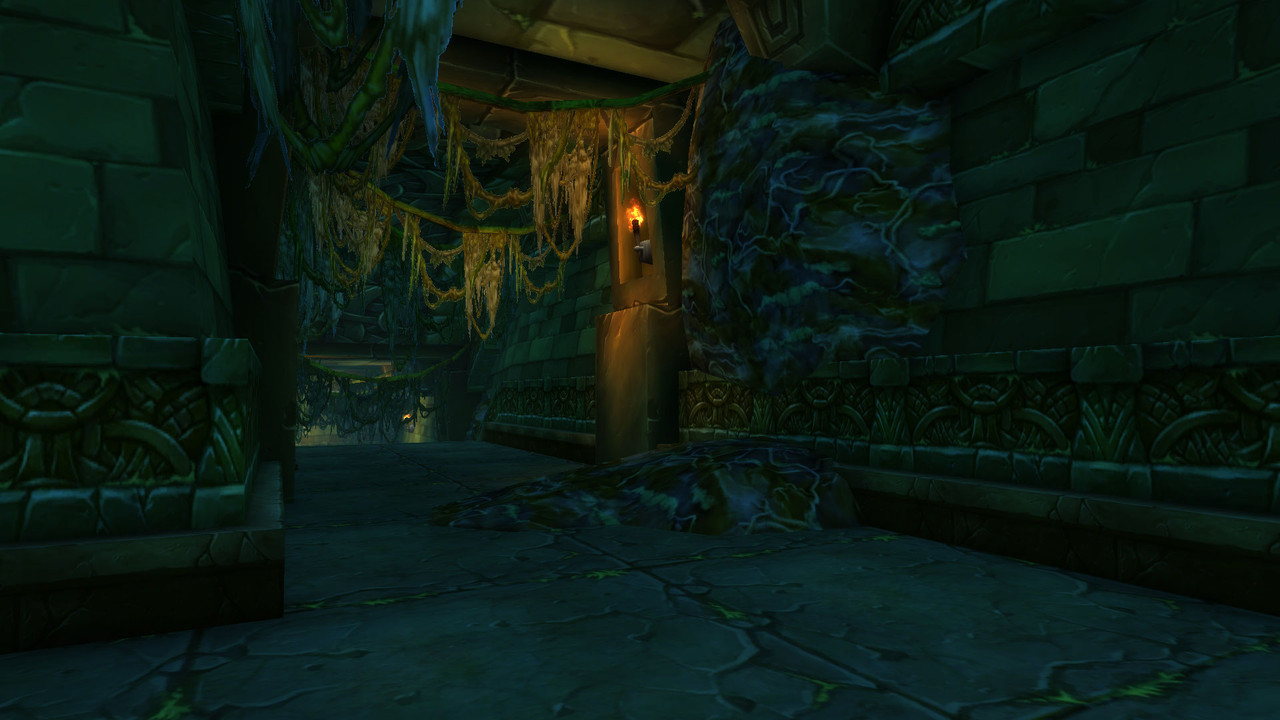
The Sunken Temple of Atal’Hakkar, often referred to as the “SToA,” stands as one of the most iconic dungeons in World of Warcraft’s vanilla era. This complex structure is a testament to the ambitious design choices made by Blizzard, which resulted in a unique blend of architectural beauty and gameplay frustration. Players found themselves both enchanted and exasperated by its intricate layout, challenging mechanics, and the atmospheric storytelling woven throughout. This guide explores the architectural challenges and the reasons why players cherished this dungeon despite its flaws.
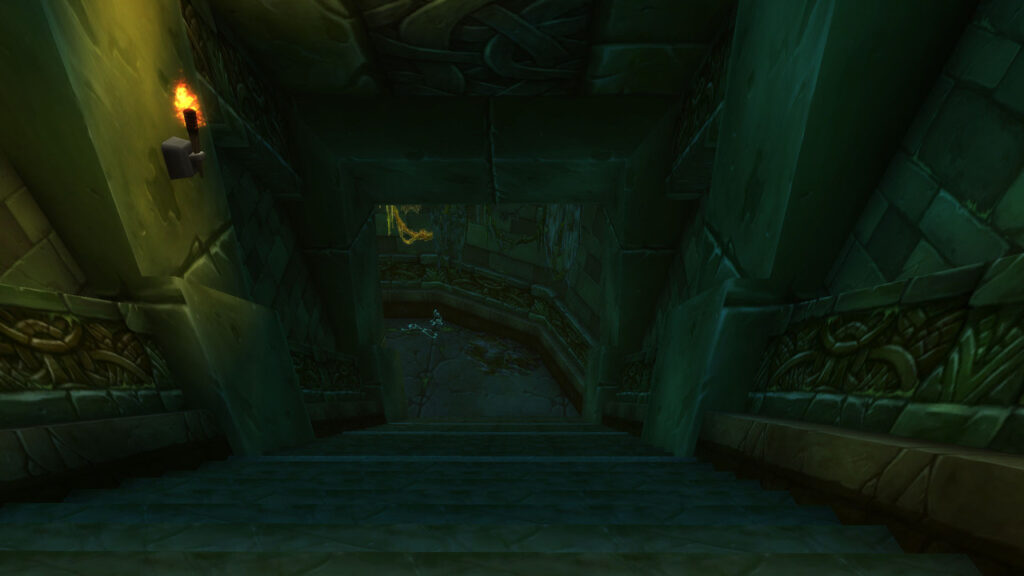
What were the architectural challenges of the Sunken Temple of Atal’Hakkar?
The Sunken Temple of Atal’Hakkar presented significant architectural challenges due to its labyrinthine design, verticality, and complex navigation.
The temple’s layout was intentionally designed to confuse and challenge players, featuring multiple levels and winding paths that often led to dead ends. This complexity made it difficult for players to navigate, especially in a time when maps were less detailed and players had to rely on memory and communication. The verticality of the dungeon added another layer of difficulty, as players had to ascend and descend various platforms, often leading to disorientation. Additionally, the temple’s aesthetic was rich with lore and environmental storytelling, which, while beautiful, contributed to the overwhelming sense of being lost. The combination of these factors created a unique experience that was both frustrating and fascinating, making players feel a sense of accomplishment when they finally conquered its depths.
- Embrace the maze-like structure by marking key locations on your map.
- Utilize voice communication to coordinate with your team effectively.
- Familiarize yourself with the layout through repeated runs to build muscle memory.
- Take advantage of the verticality by using classes with mobility skills to navigate efficiently.
How did the mechanics of the Sunken Temple enhance its architectural complexity?
The mechanics of the Sunken Temple, including unique boss encounters and environmental hazards, significantly enhanced its architectural complexity.
Each boss encounter within the temple was designed to leverage the dungeon’s layout, requiring players to adapt their strategies based on their surroundings. For example, the encounter with the boss Jammal’an the Prophet required players to navigate through a series of traps and adds that could easily overwhelm unprepared groups. Moreover, the presence of various environmental hazards, such as the poisonous waters and the need to manage aggro from multiple mobs, added layers of complexity to the gameplay experience. Players had to be aware of their positioning and the spatial dynamics of the fight, which was further complicated by the temple’s intricate design. This interplay between mechanics and architecture created a rich tapestry of challenges that kept players engaged and returning for more.
Additionally, the temple featured a unique mechanic where players could summon certain bosses by interacting with specific altars, which encouraged exploration and experimentation. This mechanic not only added depth to the gameplay but also reinforced the idea that the temple was a living environment filled with secrets waiting to be uncovered. The combination of these mechanics with the architectural layout resulted in a dungeon that was not only a test of skill but also a rewarding experience for those willing to explore its depths.
What practical strategies can players use to navigate the Sunken Temple effectively?
Players can navigate the Sunken Temple effectively by employing strategic planning, teamwork, and utilizing class abilities.
To tackle the challenges presented by the Sunken Temple, players should first familiarize themselves with the layout and key locations. This can be achieved by studying maps available online or by taking notes during runs. Teamwork is essential; players should designate roles within the group, such as a leader to call out directions and a scout to explore ahead. Utilizing class abilities can also enhance navigation; for instance, rogues can use stealth to scout ahead, while mages can create portals for quick exits if needed. Furthermore, players should be mindful of their surroundings and communicate effectively to avoid unnecessary deaths.
Another effective strategy is to break the dungeon into manageable sections, focusing on clearing one area at a time before moving on. This method not only reduces the risk of being overwhelmed by mobs but also allows players to familiarize themselves with each section’s mechanics. Additionally, utilizing consumables such as potions and buffs can provide the necessary edge during challenging encounters. By combining these strategies, players can significantly improve their chances of successfully navigating the Sunken Temple.
What are the key features and challenges of the Sunken Temple?
The Sunken Temple features a variety of challenges, including intricate boss mechanics, environmental hazards, and complex navigation.
The following table outlines the key features and challenges players may encounter in the Sunken Temple of Atal’Hakkar, providing a quick reference for effective navigation and strategy.
| Feature | Description | Challenge Level | Recommended Strategy |
|---|---|---|---|
| Labyrinthine Layout | Complex paths with multiple levels and dead ends. | High | Use maps and mark key locations. |
| Boss Mechanics | Unique encounters that require specific strategies. | Medium to High | Coordinate roles and utilize class abilities. |
| Environmental Hazards | Poisonous waters and traps throughout the dungeon. | Medium | Stay aware of surroundings and communicate. |
How does the environment of the Sunken Temple affect gameplay?
The environment of the Sunken Temple significantly affects gameplay by introducing unique challenges and enhancing immersion.
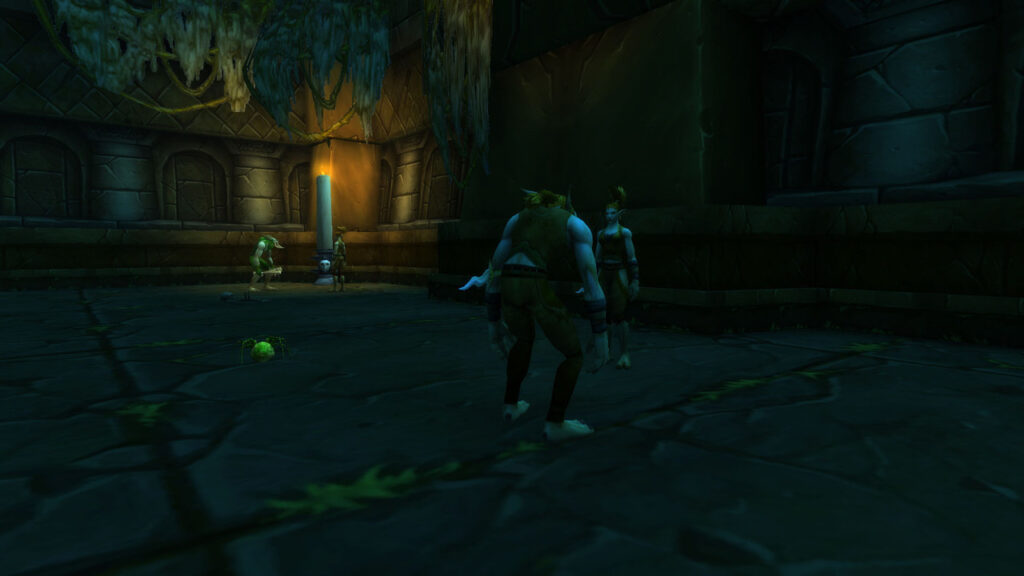
The atmospheric design of the Sunken Temple, with its eerie lighting and haunting sounds, creates a sense of foreboding that impacts player behavior. The environmental storytelling, such as the remnants of the Atal’ai trolls and the ancient architecture, immerses players in the lore of the game, encouraging exploration and engagement. This design choice not only enhances the overall experience but also influences how players approach encounters, as they must remain vigilant of their surroundings. The verticality of the temple means that players must constantly adapt their strategies based on their positioning, making environmental awareness crucial for success.
Furthermore, the presence of various environmental hazards, such as the poisonous waters, forces players to think critically about their movements. Players must navigate these hazards carefully to avoid damage while managing their aggro on enemies. This interplay between the environment and gameplay mechanics creates a dynamic experience that keeps players on their toes. The design of the Sunken Temple exemplifies how environmental factors can shape gameplay, making it a memorable and challenging dungeon.
What metrics can players use to optimize their runs in the Sunken Temple?
Players can optimize their runs in the Sunken Temple by tracking key metrics such as time spent, deaths, and boss kill efficiency.
To enhance efficiency in the Sunken Temple, players should establish benchmarks for their runs. Tracking the time taken to complete the dungeon can provide insights into areas for improvement. Additionally, monitoring the number of deaths can help identify problematic encounters or areas where players may need to adjust their strategies. Evaluating boss kill efficiency, such as the time taken to defeat each boss, can also inform players about their effectiveness in handling mechanics and coordinating as a team. By analyzing these metrics, players can refine their approach and develop strategies that maximize their success.
Furthermore, players should consider using tools or addons that can help track these metrics in real-time. Many players utilize damage meters or encounter trackers to gain insights into their performance and that of their teammates. This data can be invaluable for identifying strengths and weaknesses within the group, allowing for targeted improvements. By focusing on these key metrics, players can significantly enhance their efficiency and enjoyment of the Sunken Temple experience.
What expert tips can enhance long-term mastery of the Sunken Temple?
Expert tips for mastering the Sunken Temple include developing a deep understanding of boss mechanics, effective communication, and continuous practice.
To achieve mastery in the Sunken Temple, players should invest time in learning the specific mechanics of each boss encounter. Understanding the timing of abilities, the positioning required, and the optimal strategies for each fight can make a significant difference in success rates. Additionally, effective communication within the group is paramount; players should practice calling out important information, such as cooldowns and positioning, to ensure everyone is on the same page. This level of coordination can be the difference between a successful run and a wipe.
Continuous practice is also essential for long-term mastery. Players should aim to run the dungeon regularly to build familiarity with the layout and mechanics. This repetition not only helps solidify knowledge but also allows players to refine their strategies and improve their overall performance. Engaging with the community, whether through forums or in-game groups, can also provide valuable insights and tips from experienced players. By combining these expert strategies, players can elevate their gameplay and fully appreciate the intricacies of the Sunken Temple of Atal’Hakkar.
Frequently Asked Questions
What is the history behind the Sunken Temple of Atal’Hakkar?
The Sunken Temple of Atal’Hakkar was originally built by the Atal’ai trolls as a place of worship for their blood god, Hakkar. Over time, the temple became a site of corruption and chaos, leading to its eventual downfall and transformation into a dungeon for adventurers to explore.
What level should players be to enter the Sunken Temple?
Players should ideally be around level 50-60 to enter the Sunken Temple of Atal’Hakkar. This level range ensures that players are adequately equipped to handle the challenges and mechanics present within the dungeon.
Are there any notable rewards from the Sunken Temple?
Yes, the Sunken Temple offers various rewards, including unique gear, crafting materials, and reputation gains with certain factions. Players can also obtain rare items and mounts through specific boss encounters, making it a worthwhile endeavor.
How can players prepare for a run in the Sunken Temple?
Preparation for a run in the Sunken Temple involves gathering a balanced group of players, ensuring everyone understands their roles, and stocking up on consumables. Players should also familiarize themselves with the dungeon layout and mechanics to enhance their chances of success.