
In World of Warcraft, gold is more than just currency—it’s power, progress, and prestige. Over time, the in-game economy has evolved into a complex and self-sustaining system that mirrors real-world markets. What began as a simple trade mechanic between players has become an intricate web of supply, demand, speculation, and opportunity.
This article examines how the WoW economy transformed into a “game within a game,” exploring its evolution, player-driven innovation, and the strategies that keep it thriving after nearly two decades.
The Early Days of Trading and Barter
In Classic WoW, trade was simple: players bartered goods in chat channels, shouting offers in capital cities. The auction house changed everything, creating a centralized marketplace that rewarded strategy and timing. Suddenly, players weren’t just adventurers—they were entrepreneurs, learning to anticipate market trends and profit from them.
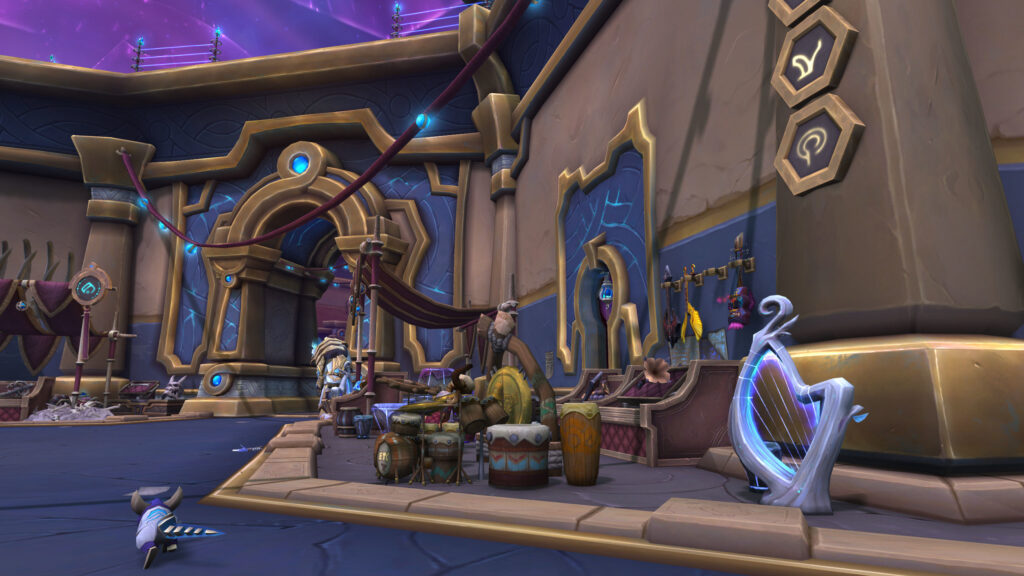
The foundation of the modern WoW economy was laid here, turning the act of trading into a meta-game of observation and prediction.
Inflation and Resource Control
As expansions introduced new resources and gold sources, inflation became inevitable. Raw materials from gathering professions like mining and herbalism began fluctuating wildly in price. Players who controlled supply—through monopolies or farming strategies—could manipulate the market and grow immense wealth.
- Supply Hoarding: Cornering material markets before content patches.
- Flipping: Buying underpriced goods and reselling for profit.
- Speculation: Anticipating balance changes and upcoming patches.
This system encouraged players to think like investors, blending gameplay with real-world economic intuition.
The Auction House Revolution
Blizzard’s overhaul of the auction house streamlined trading and introduced new dynamics. Bulk listings, automated price sorting, and instant purchases democratized access to the economy. But these changes also made competition fiercer, pushing players to develop more sophisticated tools and add-ons like TradeSkillMaster (TSM) to stay ahead.
Suddenly, gold-making became a specialized skill, complete with spreadsheets, analysis, and strategy guides shared across communities.
Professions and the Rise of Crafting Empires
Professions became the backbone of WoW’s economic system. Blacksmiths, alchemists, and enchanters all built lucrative businesses supplying raid consumables and gear enhancements. In modern expansions like The War Within, profession specializations and quality tiers added new layers of depth, turning crafting into both a science and an art.
| Profession | Economic Role | Modern Advantage |
|---|---|---|
| Alchemy | Provides potions and flasks for raiders | High-demand consumables for every reset |
| Blacksmithing | Creates weapons and gear upgrades | Strong synergy with Mythic+ progression |
| Enchanting | Adds permanent value to gear | Steady income through enchanting vellums |
Professions turned the player base into an interconnected economy of producers and consumers, each contributing to the marketplace’s rhythm.
Gold-Making as Endgame Content
For many, the WoW economy has become its own form of endgame. Gold-making challenges players’ intelligence and patience as much as mythic raids test their mechanics. Players treat profit optimization like min-maxing, studying trends and diversifying investments across realms and expansions. In essence, gold-making became a sandbox for creative problem-solving.
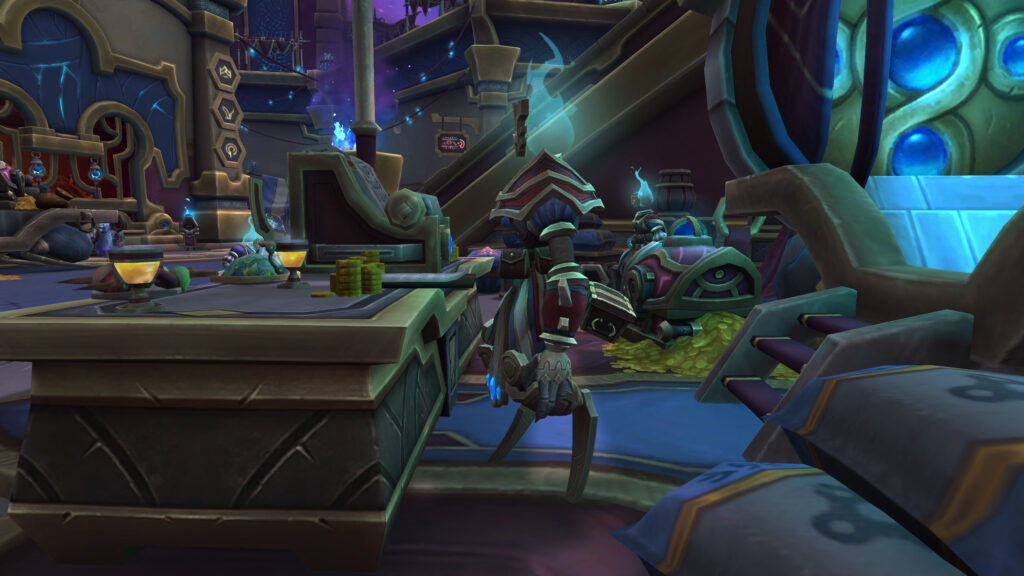
From transmog flipping to rare mount trading, every niche offers a different path to success, rewarding knowledge and persistence.
The Human Element of Trade
At its heart, WoW’s economy thrives on human interaction. Markets rise and fall based on behavior—trust, greed, generosity, and rivalry. Guilds form trade cartels, communities share insider tips, and friendships are forged through deals struck in Stormwind and Orgrimmar. The economy mirrors humanity itself: unpredictable, competitive, and endlessly fascinating.
The Future of Azeroth’s Economy
As WoW continues to evolve, its economy adapts. Systems like Warband banks and cross-realm trading will further globalize the market, blurring server boundaries. Gold will remain a symbol of mastery, not just over mobs and dungeons, but over systems and strategy. The economy isn’t a background feature—it’s WoW’s living heartbeat, pulsing with every auction and every trade.
Conclusion
What began as simple trading between players has grown into one of the most complex virtual economies ever created.
The WoW economy thrives because it’s built on curiosity, ingenuity, and ambition. It rewards those who think ahead, take risks, and understand that wealth in Azeroth—just like in life—isn’t about luck, but about learning how the game within the game is truly played.