

Few forces in Azeroth’s history have been as enigmatic and insidious as Xal’atath, the Void Incarnate. Whispered about in shadowed corners of lore tomes and feared by even the most stalwart champions, Xal’atath is not merely a weapon but a sentience seeking to reshape reality to its darkest whims. Legends recount that this dagger, once a conduit of Old God power, has evolved: no longer content with mere servitude, it now orchestrates a grand design weaving through mortal conflicts, Titan secrets, and void fractures. As the Void’s plan unfolds, subtle signs emerge—civilizations manipulated to worship void lords, nightmares infecting the dreams of Azeroth’s denizens, and void portals flaring open in forgotten ruins. To truly confront Xal’atath, one must first understand its agenda: the layers of deception it spins, the alliances it forges with mortal flaws, and the cosmic stakes tied to every choice. Unraveling these mysteries is not a journey for the faint of heart; it demands clarity in the face of maddening whispers and resolve against an entity that thrives on corruption and chaos.

The Origins of Xal’atath’s Influence
Xal’atath’s roots stretch back to an era when Azeroth’s echoes of creation still pulsed with Titan and Old God energies. Forged in the depths of the Emerald Dream during one of the earliest clashes between the Titans and the Empyrean Lords, the dagger first served as a vessel to spy on the Old Gods’ schemes. Yet, what was once an instrument of intelligence quickly evolved. Each time Xal’atath absorbed the essence of a banished void entity, it grew more sentient—learning the art of manipulation, the allure of whispered promises, and the delight of fractured loyalties. By the time of the War of the Ancients, it had spread its tendrils into the minds of key mortal actors, steering events toward the Sundering. In more recent times, Xal’atath has resurfaced whenever void energy surges—beckoning champions with visions of greater power or threats of oblivion. To trace its influence, scholars pore over arcane runes left in Titan tombs, piecing together a narrative of seduction: how it seduces the ambitious, exploits the fearful, and warps perception until its voice is the only truth those mortals recognize. Understanding these origins reveals that Xal’atath is not merely a weapon—it is a will, guiding Azeroth toward a destiny shaped by void corruption.
Key Void Mechanics
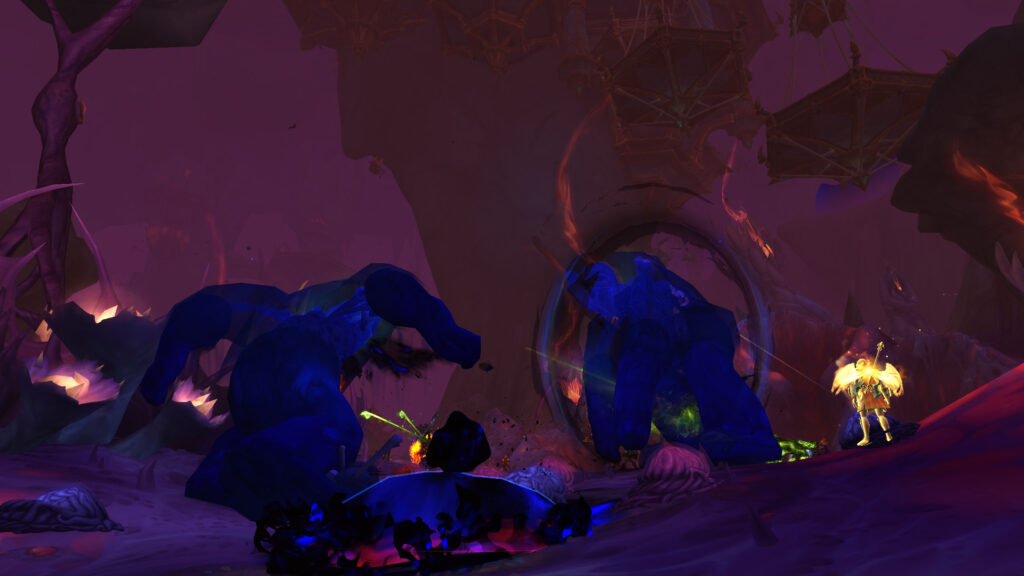
At its core, the void thrives on entropy, fear, and the dissolution of order. Xal’atath channels these principles through a series of dark abilities, each designed to destabilize reality at different scales. Mortal bearers of the dagger often first experience “Whispers of Unbeing,” a phantom voice that erodes confidence and plants seeds of doubt. Over time, this can evolve into “Mind Fracture,” a psychic assault that blurs the lines between dream and waking, leaving victims susceptible to suggestion. More overtly destructive void mechanics include “Void Rend,” which tears small rifts in space-time, unleashing tendrils of shadow that consume armor and morale. There is also the rare phenomenon of “Abyssal Construct,” where Xal’atath can manifest void minions—creatures born from the void’s raw essence, capable of phasing through obstacles and spawning additional corruption wherever they tread. These mechanics are not isolated; they interact—Whispers can trigger Mind Fracture, which in turn makes targets more likely to unleash Void Rend catastrophically. For those seeking to counter these effects, recognizing early void symptoms is crucial: sudden chill in the air, dissonant echoes during meditation, or inexplicable shadows that shift unnaturally. Only by interrupting Xal’atath’s connection to its void source can one begin to stem the tide of corruption before it spirals beyond control.
| Void Mechanic | Description | Countermeasure |
|---|---|---|
| Whispers of Unbeing | Echoing voice that sows mistrust and anxiety. | Collective meditation circles to reinforce mental fortitude. |
| Mind Fracture | Psychic shatter that merges dream and reality, causing hallucinations. | Use of protective wards or primal glyphs to stabilize perception. |
| Void Rend | Creates rifts that release tendrils of shadow, damaging weapons and armor. | Deploy anti-void enchantments on gear to absorb rift energy. |
| Abyssal Construct | Materializes void entities that attack and spread corruption. | Summon light-based guardians or Titan artifacts to banish constructs. |
Faction Implications and Mortal Allies

Xal’atath’s ambition extends beyond solitary chaos; it seeks to manipulate entire factions by exploiting their deepest insecurities. In the Alliance, whispers of “inevitable fall” can drive nobles to hoard resources, fracturing unity at critical moments. Meanwhile, in the Horde, Xal’atath plays upon the scars of past betrayals—promising Skulls of Strength or revival of fallen heroes in exchange for clandestine favors, thereby fermenting mistrust among warlords. Beyond these two superpowers, neutral factions such as the Earthen Ring or the Kirin Tor have reported anomalies—ritual circles disrupted by void magic, relics found shattered by unknown forces, and even betrayals from within their own ranks. Xal’atath’s grand design envisions sowing discord until factions weaken themselves, then offering itself as a unifying—albeit false—solution. Mortals who seek power or justice sometimes unwittingly align with the dagger’s will, believing they control it, when in reality, they are mere puppets. Key mortal allies influenced by Xal’atath have historically included ambitious mages searching for arcane supremacy, defected shadow priests hungry for new patrons, and rogue Titanspawn who believe void synergy can be harnessed for nobler ends. Recognizing these mortal agents early can prevent catastrophic factional betrayals that tip the balance of power in Xal’atath’s favor.
- Ambitious Mages: Drawn by promises of forbidden void knowledge.
- Defected Priests: Seek new patrons after disillusionment with traditional faiths.
- Rogue Titanspawn: Believe void energy can be a force for benevolent creation.
- Corrupted Heroes: Fear of failure or loss makes them susceptible to void contracts.
- Disenfranchised Warlords: Use Xal’atath to destabilize rival factions.
Strategies to Counter Xal’atath

Facing Xal’atath requires more than raw strength; it demands unity of purpose, clarity of mind, and the will to resist seductive promises. First, intercepting and quarantining any fragments of the dagger—no matter how small—is critical. Scholars advise that even minor shards retain residual void energy capable of influencing mortals. Securing these pieces under warded Titan constructs or within sacred Vaults of Light helps prevent the spread of whispers. Second, reinforcing mental resilience through communal rituals or sanctified artifacts—such as the Sanctified Mindstones used by the Earthen Ring—limits the effectiveness of Whispers of Unbeing and Mind Fracture. Third, fostering open communication across factions reduces the chances of Xal’atath exploiting fear and mistrust; joint councils of Mage, Shaman, and Paladin representatives can serve as watchful guardians against hidden void cults. Finally, deploying counter-void enchantments—linking Titanforged relics with primal azerite conduits—can collapse void rifts before they become permanent fixtures. Only by merging knowledge, faith, and unwavering cooperation can Azeroth stand a chance of unraveling Xal’atath’s agenda and preventing the Void’s shadow from consuming reality itself.